About the Atacama Desert
- Home
- About
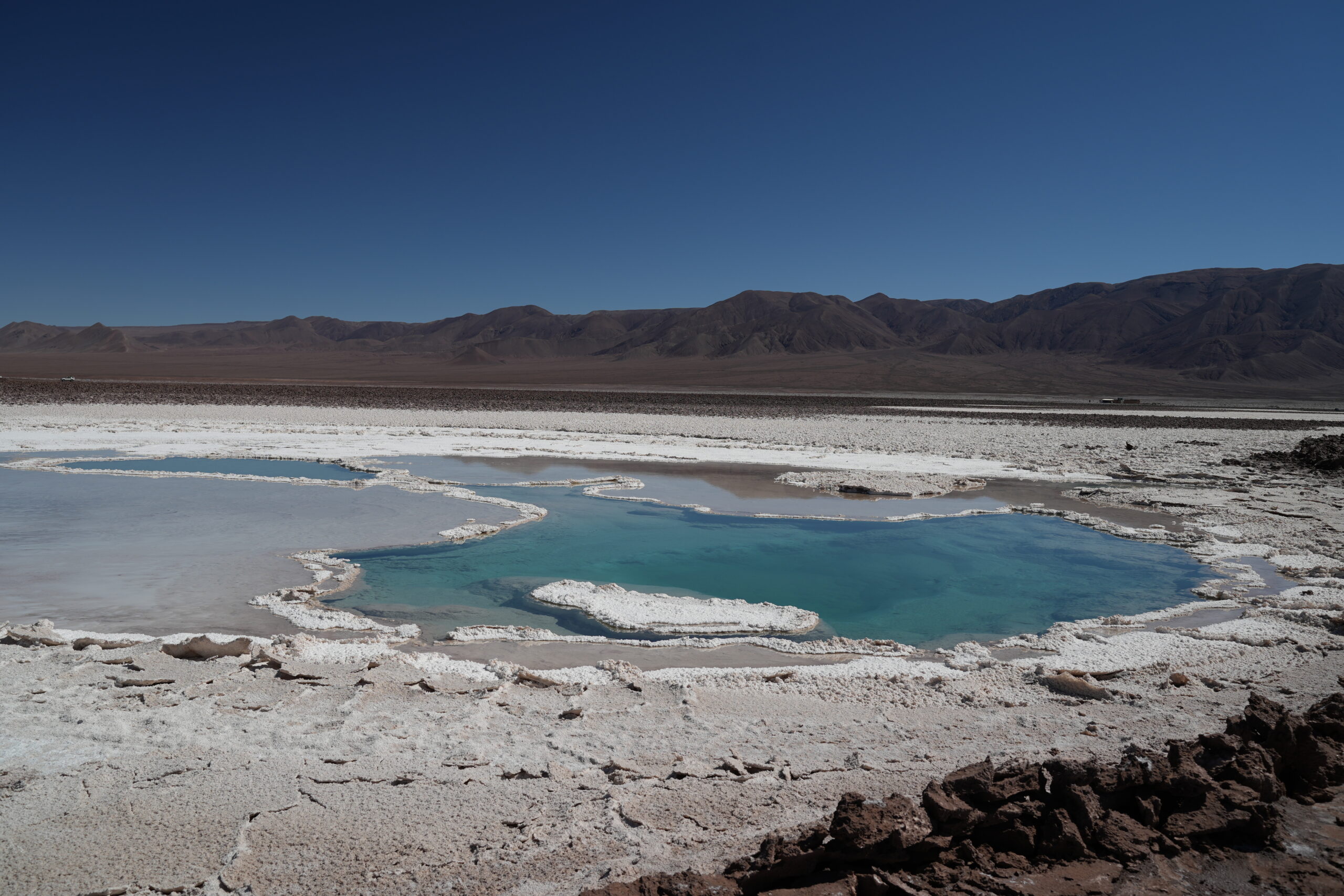
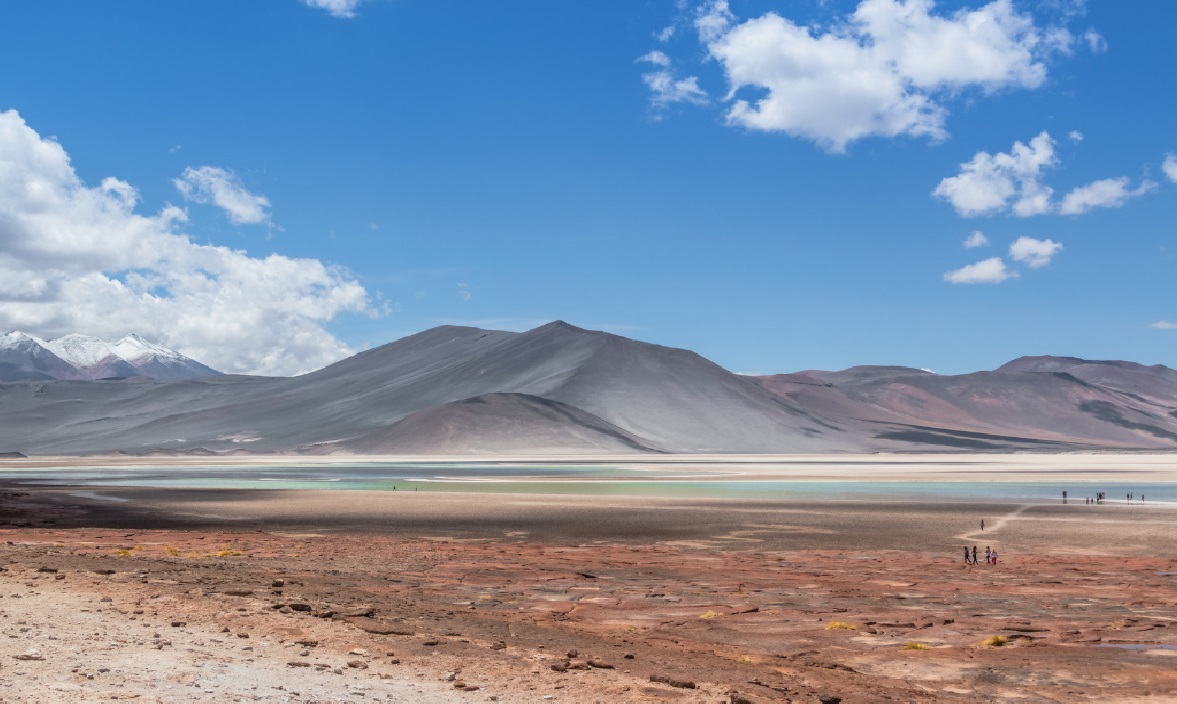
The Atacama Desert, in northern Chile, is one of the most remarkable destinations in South America. Known for its surreal landscapes, colorful high-altitude lagoons, unique rock formations, clear skies, and starry nights, the Atacama offers an unparalleled experience for travelers seeking nature, local culture, and breathtaking scenery.
Considered the driest desert in the world, it stretches across several regions in northern Chile, covering approximately 105,000 km². The main gateway to explore its attractions is San Pedro de Atacama, a charming oasis located at 2,450 meters (8,038 ft) above sea level in the Antofagasta Region.
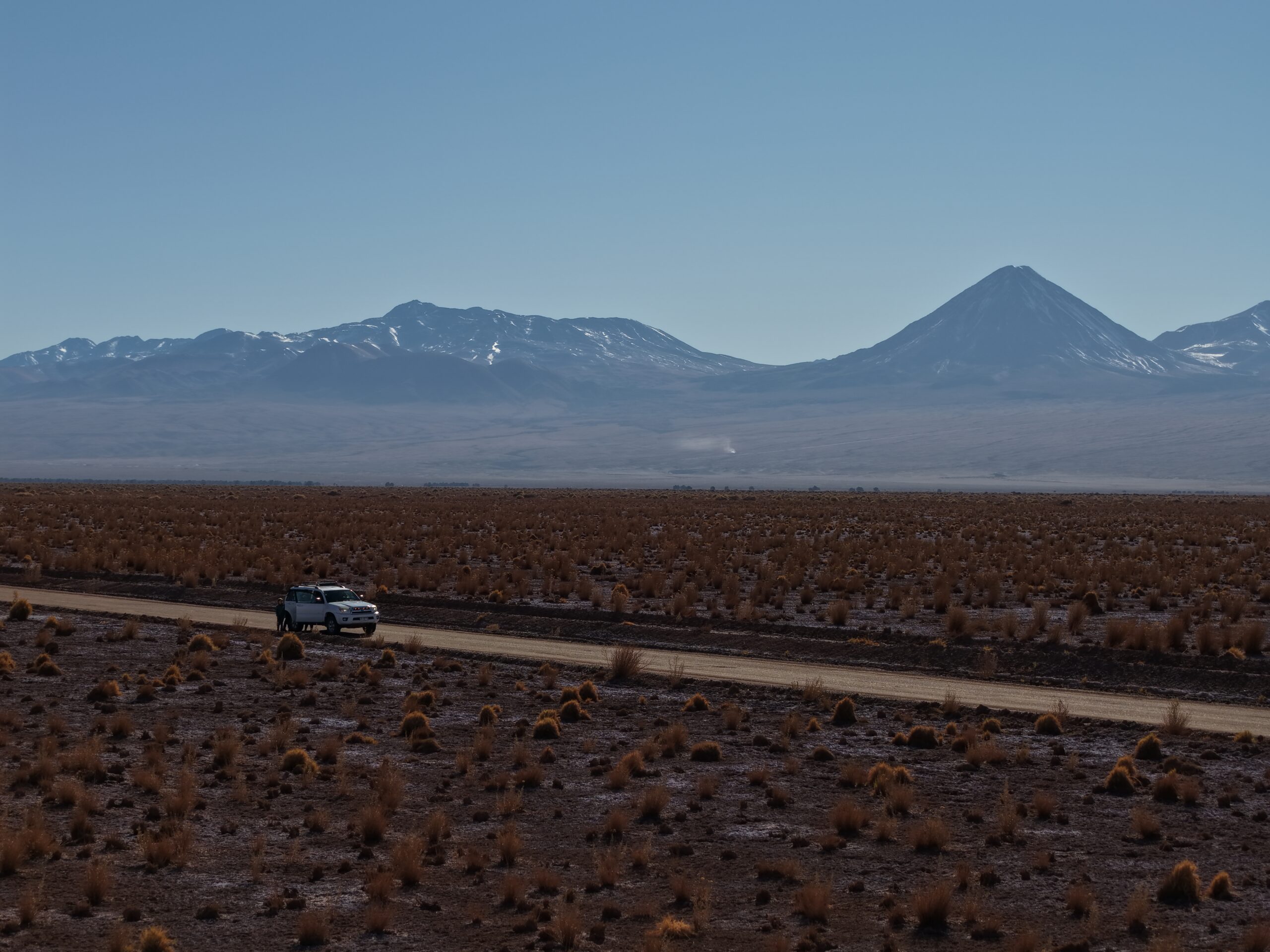
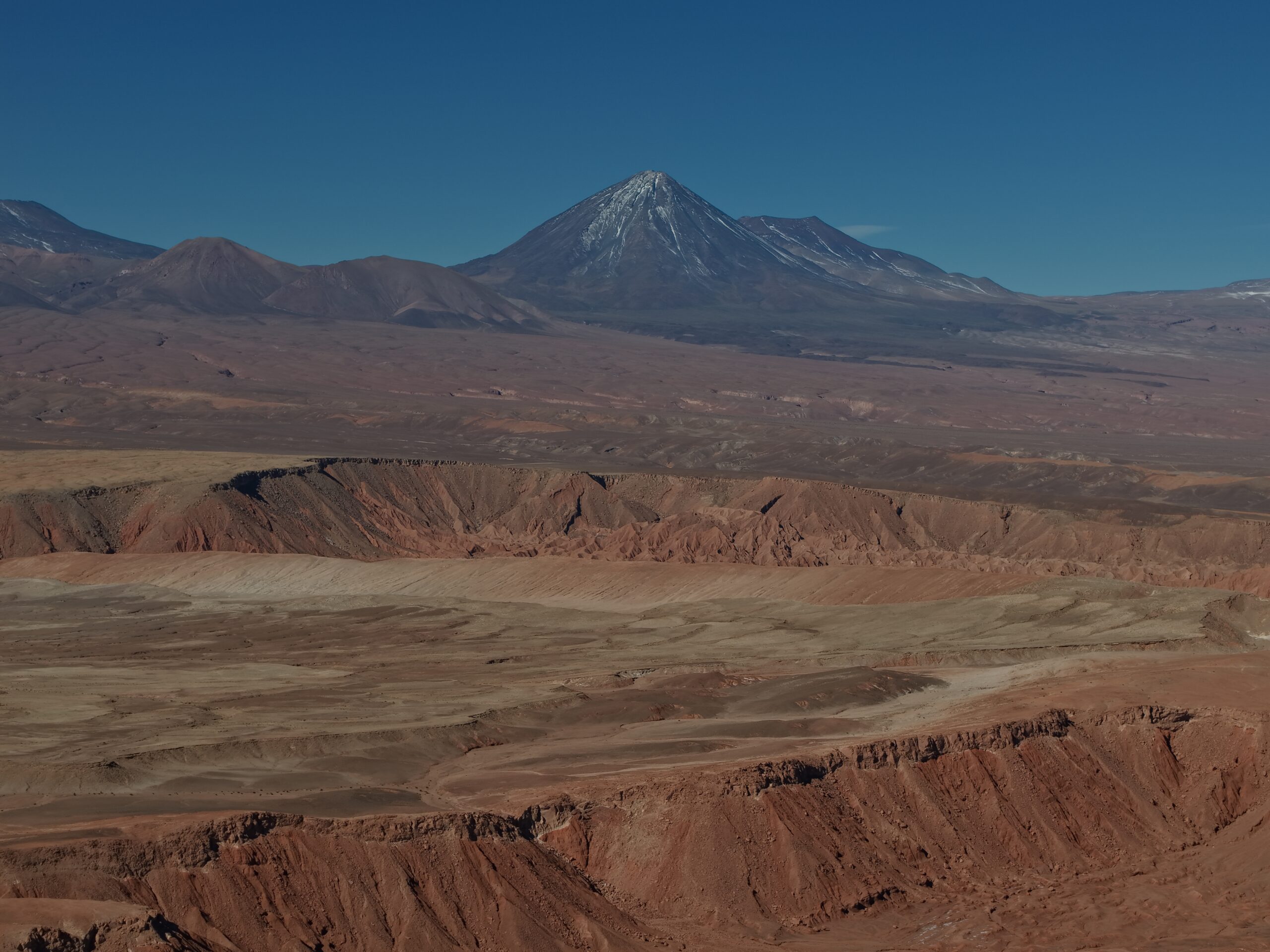
Surrounded by the Salt Mountain Range, Domeyko Range, and the Andes, San Pedro combines simplicity and beauty in its adobe architecture, while offering stunning views of iconic volcanoes such as Licancabur, a natural guardian of the town.
Flora and Fauna of the Atacama
Despite its extreme conditions, the Atacama hosts a surprising diversity of flora and fauna adapted to the arid climate. Around San Pedro, typical desert plants such as algarrobo, chañar, and pimiento (aroeira-salsa) can be found. At higher altitudes and near water sources, cacti, hardy shrubs, and aromatic plants like rica rica bloom during specific seasons.
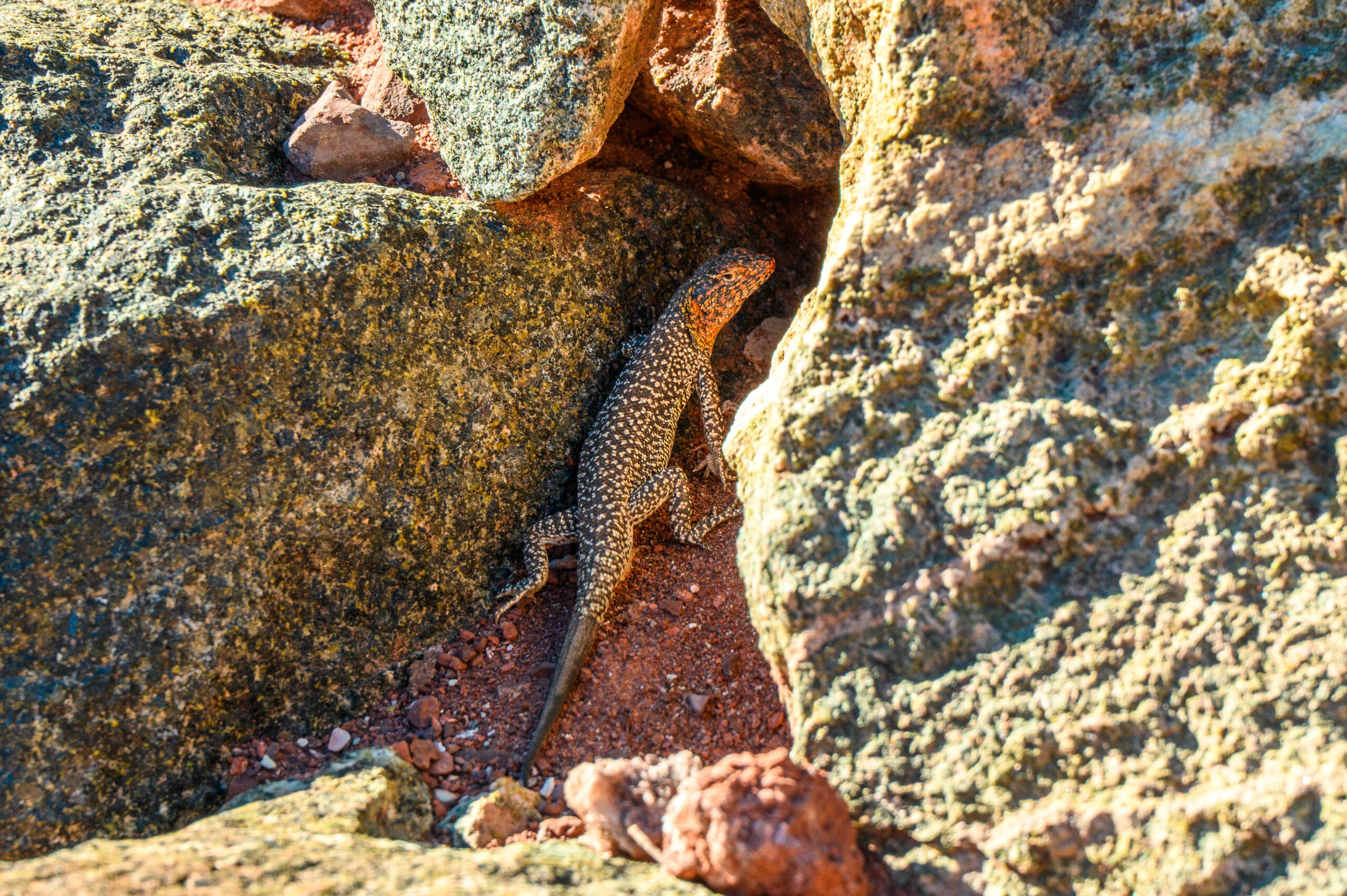
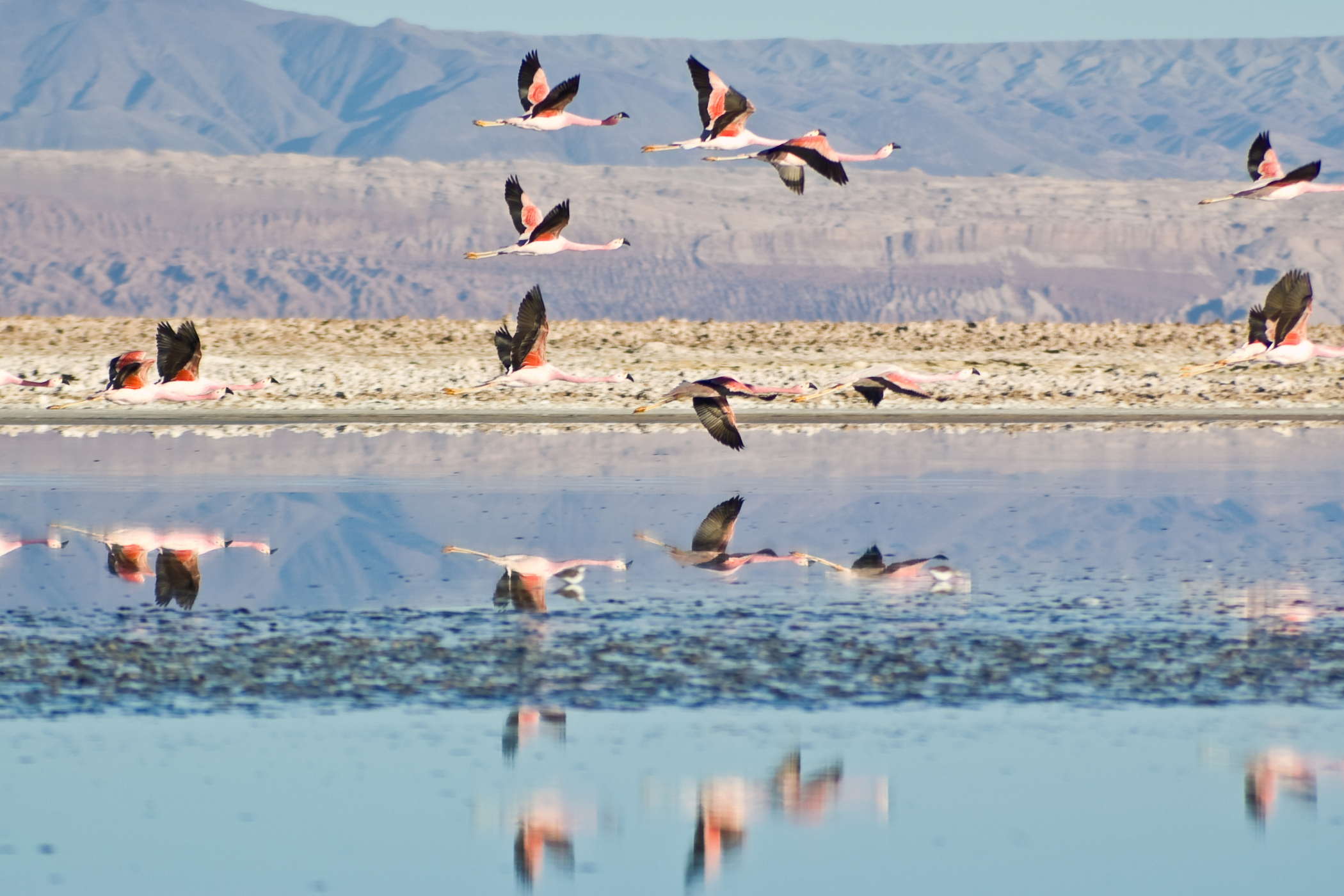
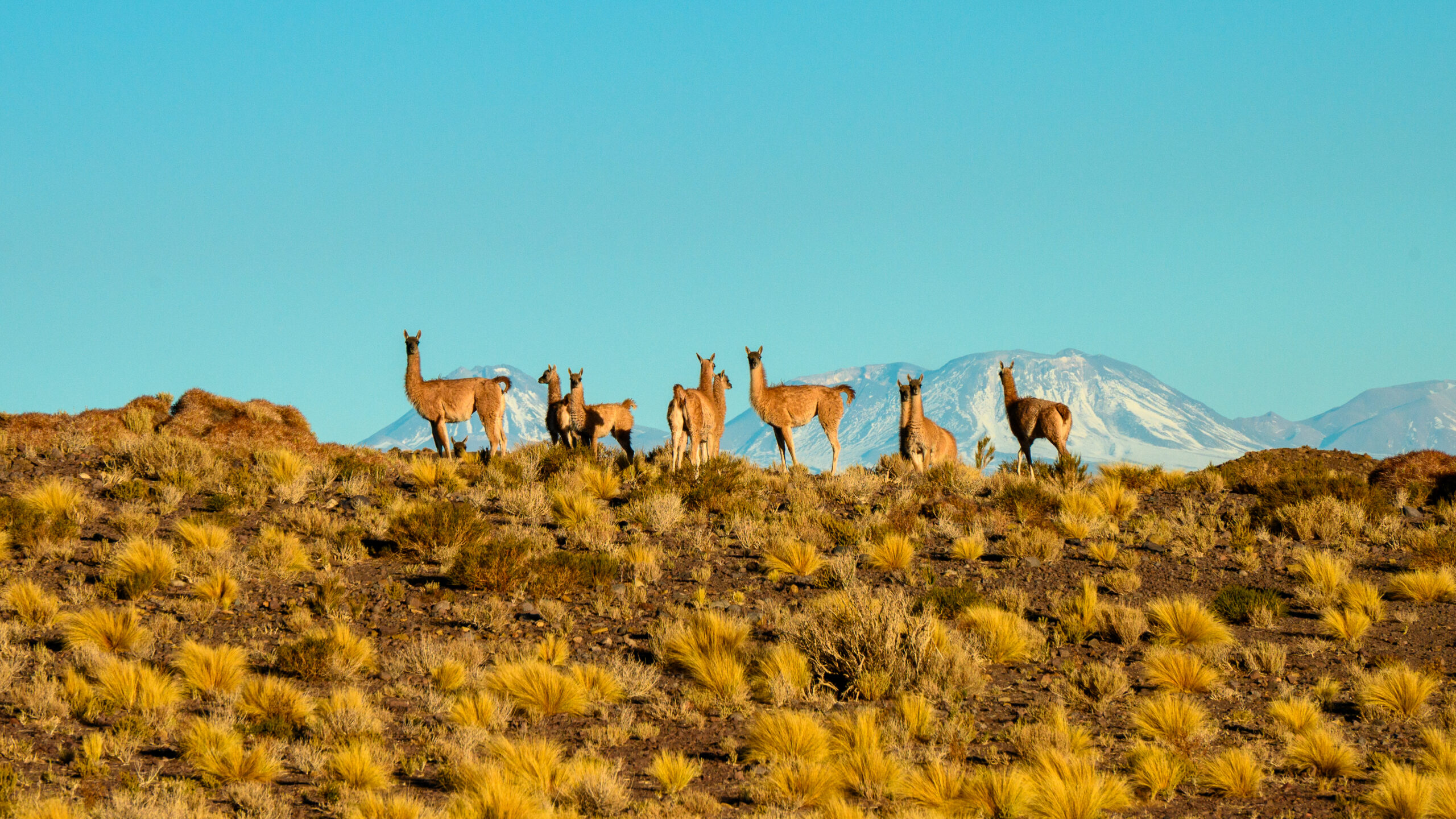
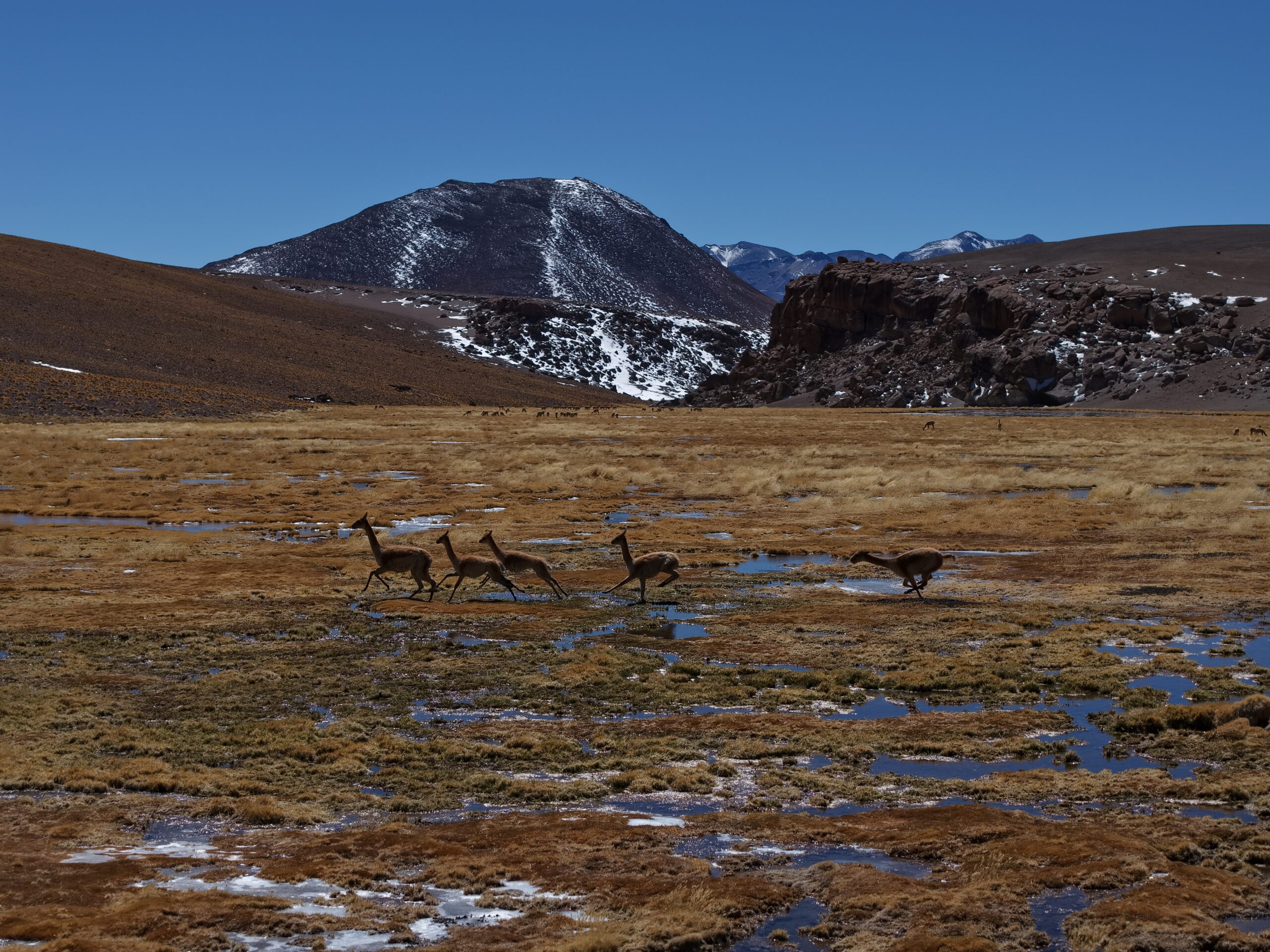
The wildlife includes vicuñas, guanacos, foxes, flamingos, and numerous high-altitude birds that inhabit salt flats, lagoons, and wetlands. This unique ecosystem, shaped by altitude and aridity, makes the Atacama a fascinating destination for nature and wildlife photography.
History, Ancient Peoples, and Archaeology
The Atacama Desert preserves a millennial cultural heritage. Long before the arrival of the Spanish, the region was inhabited by the Lickanantay people (Atacameños), who developed sophisticated desert-adaptation techniques, including terrace farming, camelid domestication, long-distance trade, and deep knowledge of the routes connecting the Altiplano to the Pacific.
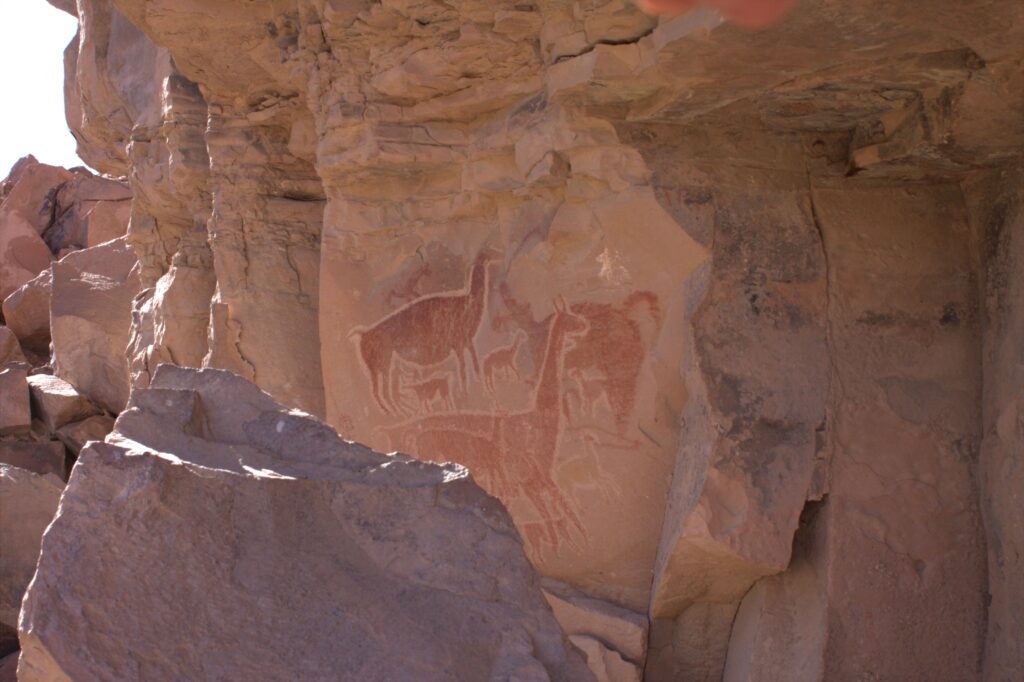
Archaeological sites such as Hierbas Buenas, Tulor, Pukará de Quitor, and Catarpe, along with ancient caravan routes, reveal this legacy. Pre-Columbian ceramics, mummies, geoglyphs, and ritual instruments tell the story of a culture deeply connected to the land, the volcanoes, and the sky.
Visiting the Atacama is not only an encounter with extraordinary landscapes but also a connection to traditions, cosmologies, and ancestral memories that remain alive today.
Access & Transportation
The main access point to the Atacama Desert is Calama Airport (CJC), located about 100 km from San Pedro de Atacama.
01
Flights: LATAM, JetSMART, and SKY Airline operate daily flights between Santiago and Calama (approximately 2 hours).
02
Transfers: From Calama, private or shared transfers take about 1h30 to reach San Pedro de Atacama.
Summer
December to February
Very hot days, 25°C to 30°C (77°F to 86°F), with pleasant nights 12°C to 18°C (54°F to 64°F).
This is an excellent time to observe flamingos in the high-altitude lagoons. Mornings are perfect for excursions, while evenings offer vivid sunsets, enhanced by seasonal clouds. Summer can also bring the Altiplanic Winter, when rainfall occurs in the Andes sector.
Autumn
March to May
End of high season, with fewer crowds and a more relaxed atmosphere.
Daytime temperatures range from 18°C to 25°C (64°F to 77°F), and nights from 5°C to 10°C (41°F to 50°F). The drier and more stable weather marks the beginning of excellent conditions for stargazing.
Winter
June to August
In winter, the salt flats are completely dry, revealing their endless white surface. Days are sunny and cold (10°C to 15°C / 50°F–59°F), while nights can drop below -10°C (14°F). This is the best season for exploring the region and for stargazing under exceptionally clear skies.
Spring
September to November
Temperatures rise gradually, 20°C to 26°C (68°F to 79°F) during the day and 7°C to 12°C (45°F to 54°F) at night. September can bring stronger afternoon winds. It is also the period when many animals give birth, bringing more life to the desert landscape.
- Seasons
When to Visit the Atacama Desert
The Atacama features an extremely arid climate with a high thermal amplitude. Mornings are generally cold, temperatures rise throughout the day, and drop quickly after sunset. Solar radiation is intense, and strong winds or occasional sandstorms can occur at certain times.
Being prepared for these variations is part of the experience — and this extreme climate is what preserves the desert’s landscapes in their purest form.
PHOTO GALLERY
- Available experiences